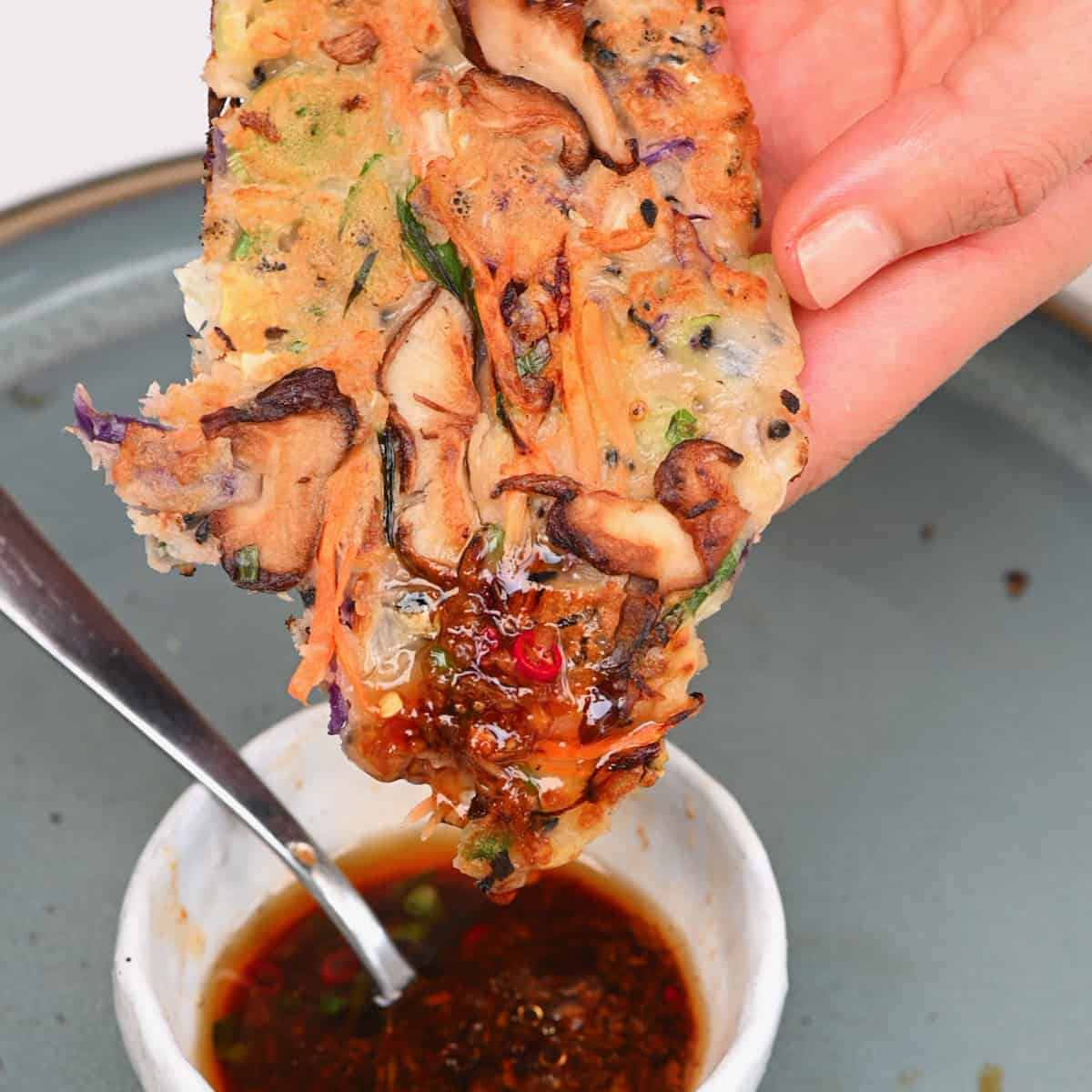
Unlock the Crispy Secret of Korean Vegetable Pancakes (Pajeon)
Imagine a dish that’s simultaneously crispy, tender, savory, and bursting with fresh vegetables. A culinary chameleon that can be a hearty snack, a delightful appetizer, or a vibrant side dish. Welcome to the world of Korean vegetable pancake buchimgae pajeon – a cornerstone of Korean cuisine that promises an explosion of flavor and texture with every bite.
Often enjoyed during a rainy day, their sizzling sound reminiscent of falling raindrops, these savory pancakes are much more than just a quick bite. They represent comfort, versatility, and the simple beauty of fresh ingredients transformed into something extraordinary. Whether you know them as buchimgae (a general term for pan-fried dishes) or pajeon (specifically featuring scallions), these pancakes offer a satisfying experience that caters to both seasoned foodies and curious beginners.
Forget everything you thought you knew about pancakes being solely a breakfast staple. In Korea, savory variations like these vegetable pancakes stand proudly in their own delicious category, lying somewhere delightful between a delicate crepe and a hearty vegetable omelet. Ready to uncover the secrets to their irresistible crispiness and rich flavor? Let's dive in.
What Exactly is Buchimgae (and Pajeon)? Deciphering the Korean Pancake Family
To truly appreciate the Korean vegetable pancake buchimgae pajeon, it’s helpful to understand the terminology. At its broadest, Buchimgae (부침개) is the umbrella term for any dish made by pan-frying ingredients in an egg and/or flour batter. It encompasses a vast array of savory pancakes, each with its own unique character:
- Pajeon (파전): The most famous subtype, literally meaning "scallion pancake." While traditionally focused on generous amounts of long green onions, modern pajeon often incorporates other vegetables and sometimes seafood (haemul pajeon).
- Kimchi Buchimgae (김치부침개): A spicy, tangy favorite made with fermented kimchi, often with pork or tuna.
- Bindae-tteok (빈대떡): A hearty, thicker pancake made from ground mung beans, typically containing vegetables like bracken, kimchi, and sometimes meat.
- Yachaejeon (야채전): Specifically "vegetable pancake," which is the focus of our exploration. While often containing scallions and thus sometimes referred to as a type of pajeon, yachaejeon emphasizes a mixed medley of various vegetables.
So, when we talk about Korean vegetable pancake buchimgae pajeon, we're essentially referring to a delicious pan-fried dish packed with veggies, often prominently featuring scallions, and falling under the wider "buchimgae" family. This versatility is part of its charm – you can tailor it to your exact preferences, making it a perfect canvas for culinary creativity.
For a deeper dive into the distinctions between these delicious varieties, read our article: Buchimgae vs. Pajeon: Exploring Korean Vegetable Pancake Varieties.
Crafting the Perfect Crispy Korean Vegetable Pancake: The Secret to Success
Achieving that coveted crispy exterior and soft, moist interior is the hallmark of an exceptional Korean vegetable pancake. It boils down to a few key ingredients and techniques.
Essential Ingredients:
- The Batter Base:
- Flour: While all-purpose flour works, many traditionalists and chefs recommend using a combination of all-purpose flour and a starchy flour like cake flour, or even a specialized Korean frying mix (buchimgaru). The starch contributes significantly to the pancake's desired chewy yet crispy texture. Some mixes even contain rice flour and baking powder for extra crispiness and lightness.
- Liquid: This is crucial. Cold water or milk is highly recommended. Cold liquid helps prevent gluten development, leading to a more tender pancake that crisps up better. Some even advocate for sparkling water, which can introduce tiny air bubbles, resulting in an even lighter, fluffier texture.
- Salt: A pinch is all it takes to season the batter.
- The Vibrant Vegetables:
The beauty of a Korean vegetable pancake lies in its flexibility. Common choices include:
- Scallions (Green Onions): Essential for pajeon. Look for nice, long Asian scallions if possible.
- Cabbage: Napa cabbage or thinly shredded red cabbage adds a pleasant crunch and subtle sweetness.
- Carrots: Julienne or thinly shredded for color and a touch of sweetness.
- Mushrooms: Shiitake, oyster, or cremini mushrooms lend an earthy umami flavor.
- Chives: Similar to scallions but with a milder, more delicate onion flavor.
Ensure your vegetables are cut uniformly and thinly enough to cook through quickly and integrate well into the pancake.
- Cooking Oil: A generous amount of neutral cooking oil (like vegetable or canola oil) is essential for that perfect golden, crispy crust.
Key Techniques for Crispy Perfection:
- Don't Overmix the Batter: A few lumps are perfectly fine. Overmixing develops gluten, making the pancake tough.
- Cold Batter, Hot Pan: Keeping the batter cold until just before cooking, then pouring it into a sizzling hot, well-oiled pan, is fundamental for crispiness.
- Even Spreading: Spread the batter and vegetables evenly to ensure consistent cooking and crispiness. Don't make them too thick, or the inside might be undercooked while the outside burns.
- Patience is a Virtue: Resist the urge to flip too early. Let the pancake cook until the edges are golden brown and the batter appears mostly set on top before carefully flipping. A good flip ensures both sides are equally crispy.
- Plenty of Oil: Don't skimp on the oil! It's what gives the pancake its beautiful golden crust and prevents sticking.
For more detailed step-by-step instructions on achieving the ultimate crispiness, check out our guide: Mastering Crispy Korean Vegetable Pancakes: Buchimgae & Pajeon.
Customizing Your Korean Vegetable Pancake: Endless Possibilities
The adaptability of the Korean vegetable pancake buchimgae pajeon is truly one of its greatest strengths. It's a fantastic way to use up leftover vegetables or experiment with new flavor combinations. Here are some ideas to spark your culinary imagination:
- Vegetable Variations:
- Zucchini: Grated or thinly julienned, it adds moisture and a subtle sweetness.
- Onions & Bell Peppers: Thinly sliced, they provide aromatic depth and vibrant color.
- Spinach or Kale: Roughly chopped, they blend seamlessly into the batter.
- Potatoes or Sweet Potatoes: Finely grated, they add a comforting starchiness and can make the pancake heartier.
- Protein Power-Ups:
- Seafood: The addition of shrimp, squid rings, mussels, or oysters transforms it into Haemul Pajeon (seafood pancake), a highly prized variant. Ensure seafood is pre-cooked or very thinly sliced to cook quickly.
- Meat: Thinly sliced marinated beef (bulgogi-style), ground pork, or even shredded chicken can be incorporated.
- Tofu: Crumbled or finely diced firm tofu adds a plant-based protein boost.
- Flavor Boosters:
- Kimchi: Finely chopped kimchi, along with a tablespoon or two of its juice, will instantly make it a spicy, flavorful Kimchi Buchimgae.
- Gochugaru (Korean Chili Flakes): A pinch in the batter adds a subtle heat.
- Garlic & Ginger: Minced garlic and grated ginger can elevate the aromatic profile.
- Sesame Oil: A drizzle in the batter or brushed on top after cooking adds a nutty depth.
- Egg-Free & Vegan Options:
The reference context mentions an egg-free batter, which is common in many traditional Korean pancake recipes. If going egg-free, ensure your batter has enough starch and binding agents to hold everything together. Using sparkling water can also add lightness in the absence of egg.
Serving Your Crispy Creation: More Than Just a Snack
Once your Korean vegetable pancake buchimgae pajeon is golden, crispy, and ready, the next step is enjoying it! They are incredibly versatile in how they can be served.
The Essential Dipping Sauce:
A simple yet flavorful dipping sauce is non-negotiable. The classic combination includes:
- 2 tablespoons soy sauce
- 1 tablespoon rice vinegar (or apple cider vinegar)
- 1 teaspoon sesame oil
- 1 teaspoon toasted sesame seeds
- Finely chopped green onions or chives
- A pinch of gochugaru (optional, for a slight kick)
Whisk these ingredients together, and you have the perfect accompaniment to cut through the richness of the pancake.
Pairing for a Meal:
While delicious on their own, these pancakes shine as part of a larger Korean meal. Serve them alongside:
- Steamed brown rice
- Kimchi and other banchan (small side dishes)
- A hearty Korean stew like kimchi jjigae or doenjang jjigae
- As an appetizer before a main course like bibimbap or bulgogi
Cultural Significance:
Beyond their delicious taste, Korean vegetable pancakes hold a special place in Korean culture. They are often associated with comfort and sharing. As Erin Jang, whose parents immigrated from South Korea, beautifully articulated, these "simple" homemade Korean meals often felt like feasts, embodying food as an expression of love and care. The communal act of sharing freshly made, warm pancakes with family and friends adds an extra layer of warmth and connection to every bite. They are also famously linked with rainy days, where the sound of sizzling oil in the pan mirrors the patter of rain outside, creating a cozy and inviting atmosphere.
Conclusion
From the satisfying sizzle in the pan to the delightful crunch and tender bite, the Korean vegetable pancake buchimgae pajeon offers a culinary journey that's both simple to master and endlessly rewarding. Its versatility, humble ingredients, and profound cultural significance make it more than just a dish—it's an experience. Whether you're craving a quick, flavorful snack or looking to add a vibrant side to your next meal, these savory pancakes are a testament to the delicious depth of Korean cuisine. So, gather your favorite vegetables, whip up a simple batter, and unlock the crispy secret that will have you coming back for more.
